

Sunset Pediatrics

Portland Pediatric Clinic

Portland, Oregon     Patient Portal Pay Bill                  


  • Our Providers
  • Our Office
    • Office Hours
    • Location & Directions
    • Our Policies
    • Mission, Vision, Values
  • Appointments
    • New Patient
    • Well Child Visits
  • 2025 Flu Clinic
  • 2025 COVID
  • Newborn Care Classes
  • Patient Resources
  • News
    • RSV Immunization – Beyfortus
    • Blog Posts
    • Subscribe to our newsletter!

Winter Car Seat Safety Tips from the AAP

Posted on January 17, 2020

As a general rule, bulky clothing, including winter coats and snowsuits, should not be worn underneath the harness of a car seat. 

In a car crash, fluffy padding immediately flattens out from the force, leaving extra space under the harness. A child can then slip through the straps and be thrown from the seat.

These tips from the American Academy of Pediatrics (AAP) will help parents strike that perfect balance between keeping little ones warm as well as safely buckled in their car seats.

How to Keep Your Child Warm and Safe in the Car Seat:

Note: The tips below are appropriate for all ages. In fact, wearing a puffy coat yourself with the seat belt is not a best practice because it adds space between your body and the seat belt.

  • Store the carrier portion of infant seats inside the house when not in use. Keeping the seat at room temperature will reduce the loss of the child’s body heat in the car.
  • Get an early start. If you’re planning to head out the door with your baby in tow on winter mornings, you need an early start. You have a lot to assemble, and your baby may not be the most cooperative. Plus, driving in wintry conditions will require you to slow down and be extra cautious.
  • Dress your child in thin layers. Start with close-fitting layers on the bottom, like tights, leggings, and long-sleeved bodysuits. Then add pants and a warmer top, like a sweater or thermal-knit shirt. Your child can wear a thin fleece jacket over the top. In very cold weather, long underwear is also a warm and safe layering option. As a general rule of thumb, infants should wear one more layer than adults. If you have a hat and a coat on, your infant will probably need a hat, coat, and blanket.
  • Don’t forget hats, mittens, and socks or booties. These help keep kids warm without interfering with car seat straps. If your child is a thumb sucker, consider half-gloves with open fingers or keep an extra pair or two of mittens handy — once they get wet they’ll make your child colder rather than warmer.
  • Tighten the straps of the car seat harness. Even if your child looks snuggly bundled up in the car seat, multiple layers may make it difficult to tighten the harness enough. If you can pinch the straps of the car seat harness, then it needs to be tightened to fit snugly against your child’s chest.  ​
  • Use a coat or blanket over the straps. You can add a blanket over the top of the harness straps or put your child’s winter coat on backwards (over the buckled harness straps) after he or she is buckled up. Some parents prefer products such as poncho-style coats or jackets that zip down the sides so the back can flip forward over the harness. Keep in mind that the top layer should be removable so your baby doesn’t get too hot after the car warms up.
  • Remember, if the item did not come with the car seat, it has not been crash tested and may interfere with the protection provided in a crash. Never use sleeping bag inserts or other stroller accessories in the car seat.
  • Pack an emergency bag for your car. Keep extra blankets, dry clothing, hats and gloves, and non-perishable snacks in your car in case of an on-road emergency or your child gets wet on a winter outing.

This information has been taken directly from the AAP’s Healthy Children website article found here. This blog is not a substitute for medical advice. Be sure to talk to your child’s medical provider with any questions.
Clean hands, a healthy habit!

Posted on December 20, 2019

As the flu season is hitting Oregon and the whole country earlier than normal, we are reminded of one simple way to avoid getting sick and spreading germs to others; keeping our hands clean.

Make sure you and your kiddos wash your hands:

  • Before, during and after preparing food
  • Before eating food
  • Before and after caring for someone who is sick
  • Before and after treating a cut or wound
  • After using the restroom
  • After changing diapers or helping a child use the toilet
  • After blowing your nose, coughing or sneezing
  • After touching an animal, animal feed or animal waste
  • After handling pet food or pet treat
  • After touching garbage

Follow these steps for proper handwashing:

  • Wet your hands with clean, running water (warm or cold), turn off the tap and apply soap.
  • Lather your hands by rubbing them together with the soap. Be sure to lather the backs of your hands, between your fingers, and under your nails.
  • Scrub your hands for at least 20 seconds. Hum the “Happy Birthday” song from beginning to end twice for a fun timer.
  • Rinse your hands well under clean, running water.
  • Dry your hands using a clean towel or air dry them.

According to the CDC, Oregon’s flu rate is well ahead of the nationwide flu rate. More than 1,300 people have fallen ill since the late fall. By this time last year, there were fewer than 400 confirmed flu cases in Oregon.

About 1,300 people have died from the flu nationally, according to the U.S. Centers for Disease Control and Prevention. About 2.6 million have fallen ill, according to the agency, and 23,000 people have been hospitalized.

In addition to good habits like hand washing, the single best way to protect yourself and your children from the flu is to get them vaccinated each year. We still have the flu shot available. Give us a call to schedule today!

This blog is not a substitute for medical advice. Be sure to talk to your child’s medical provider with any questions.

Silent Santa Events!

Posted on December 6, 2019

The sparkling lights, singing carolers and lines of kids waiting to see Santa are all part of an annual ritual for some families. For children with autism, those same holiday traditions can be overwhelmingly stressful. Many kids with autism, disabilities and special sensitivities never get the chance to tell the Santa what they want for Christmas in-person because the experience is sensory overload.

Here are some local sensory-friendly Santa events in the Portland Metro area:

  • Sunday, December 8th at Bridgeport Mall – RSVP here!
  • Sunday, December 8th at Woodburn Outlets – RSVP here!
  • Sunday, December 15th at Bridgeport Mall – RSVP here!
  • Sunday, December 15th at Washington Square – RSVP here!

There are other Santa events and holiday parties in the surrounding areas. Visit the Autism Society of Oregon website for more information!

November is Movember

Posted on November 22, 2019

Men are dying on average 6 years earlier than women, and for largely preventable reasons. Unchecked, prostate cancer rates will double over the next 15 years. Testicular cancer rates have already doubled in the last 50. And across the world, one man dies by suicide every minute of every day.

The Facts

  • In the US, prostate cancer is the second most common cancer in men. There are more than 3 million men living with and beyond the disease. Many are dealing with serious side effects from treatment.
  • Testicular cancer strikes young. It’s the most common cancer in young American men. Testicular cancer has a 95% survival rate, but 1 in 20 men don’t survive this cancer.
  • Around the world, the rate of male suicides is alarmingly high: 6 out of 10 suicides are men.
  • To speak with someone immediately, contact National Suicide Prevention Lifeline on 1-800-273-8255 (1-800-273-TALK) or Lifeline Crisis Chat. If life is in danger, call 911 or go directly to emergency services.

How Movember is taking action

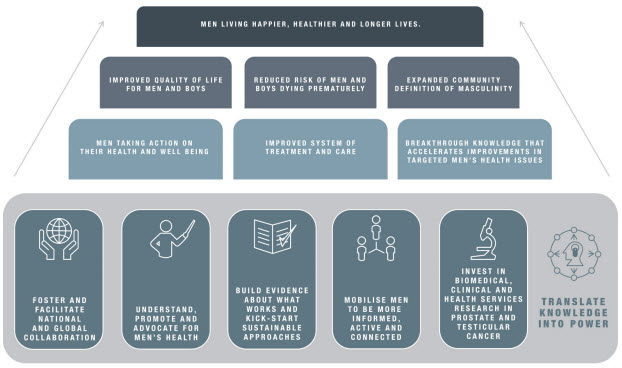
Since 2003, the Movember Foundation has set itself a tough and audacious challenge: to have an everlasting impact on the face of men’s health. It is a tough challenge for many reasons. While there is no biological reason as to why women should live longer than men, history tells us that average life expectancy for men is lower. Men are slow to take action when they experience a health problem. When they do take action, it is often too late. Indeed, traditional notions of masculinity often characterize it as a weakness for a man to acknowledge he has a health problem (especially a mental health problem) and that it is not OK to talk about it and take action.

Interested in learning more? Visit the Movember website here.

« Previous Page
Next Page »

Location

9155 SW Barnes Road, Suite 840
Portland, OR 97225 | Directions

Voice: 503.296.7800
Fax: 503.291.1584

Office Hours

Monday–Thursday: 8am–6:30pm
Friday: 8am–5pm
Saturday: 8:30am–12pm
Sunday: Closed

Blog Posts

  • Unblocking Text Reminders
  • Measles
  • Sun Exposure
  • Water Safety
  • Summer Travel

Sunset Pediatrics | Portland, Oregon | Privacy Policy | Employment Opportunities
Website Design by SimplyFine Design